Daytime Activity
Sariska's tigers move actively at dawn and dusk, often resting in shaded valley cover through midday heat — patterns that reward safaris timed around the cooler hours.
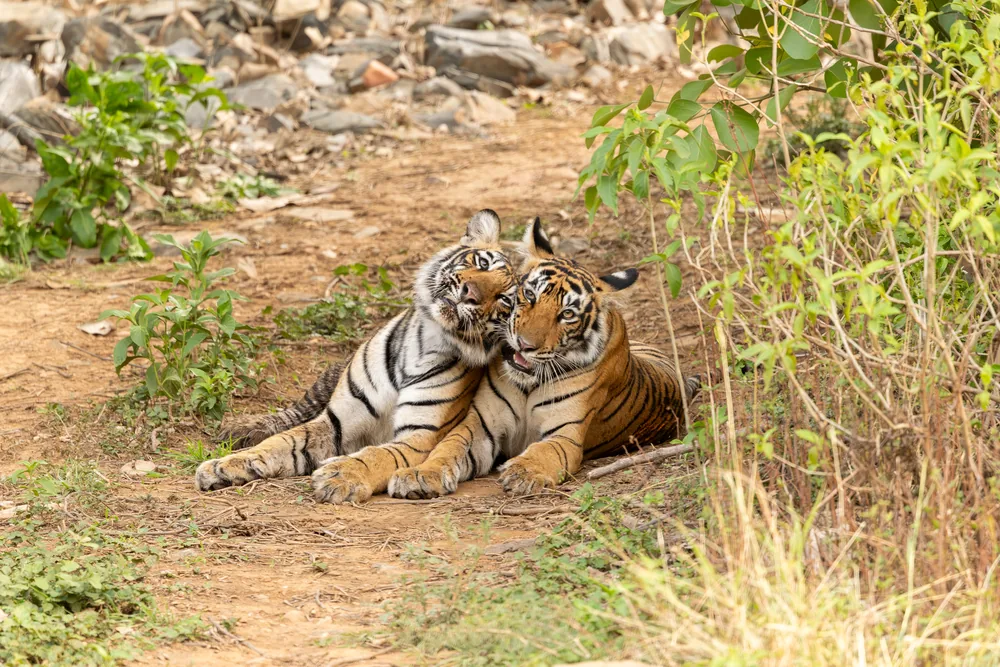
Set among the rugged Aravalli hills of Rajasthan, Sariska is best known as the site of the world's first successful wild tiger relocation — a reserve rebuilt from near-empty forest into a genuine big cat destination, alongside leopards, striking Aravalli birdlife and ancient temple ruins.
Spread across the rocky Aravalli hills of Alwar district, Sariska National Park is a dry deciduous forest reserve built around a remarkable conservation story: after its original tiger population disappeared in the early 2000s, Sariska became the site of the world's first successful wild tiger relocation, with animals translocated from Ranthambore from 2008 onward. Today the park supports more than 30 species of mammals, over 250 bird species, and a solid reptile population across its forested valleys, grasslands and ancient temple ruins. This mix of rebuilt predator population and long-standing prey base has restored a genuine ecological balance to the reserve. Sariska's conservation history, its accessible distance from Jaipur and Delhi, and its scenic Aravalli landscape have made it one of Rajasthan's most compelling wildlife destinations for visitors interested in both tigers and conservation itself.
A tiger population rebuilt from zero, and the story most visitors come to hear.
The Bengal tiger (Panthera tigris tigris) is Sariska's flagship species and the centre of one of India's most closely watched conservation programmes. Following local extinction in the reserve, tigers reintroduced from Ranthambore have re-established territories across Sariska's valleys, favouring forested slopes and grassland near water sources.
Sariska's tigers move actively at dawn and dusk, often resting in shaded valley cover through midday heat — patterns that reward safaris timed around the cooler hours.
The core zones around Kalighati and Pandupol hold the most established tiger territories, with grassland and water-point access driving consistently better sighting odds.
A reserve whose conservation story runs deeper than one species.
Sariska's rebuilt ecosystem now supports a fuller cast beyond its headline tigers — secretive smaller cats, well-established herbivore herds, and a competing carnivore guild that together reflect the reserve's broader ecological recovery.
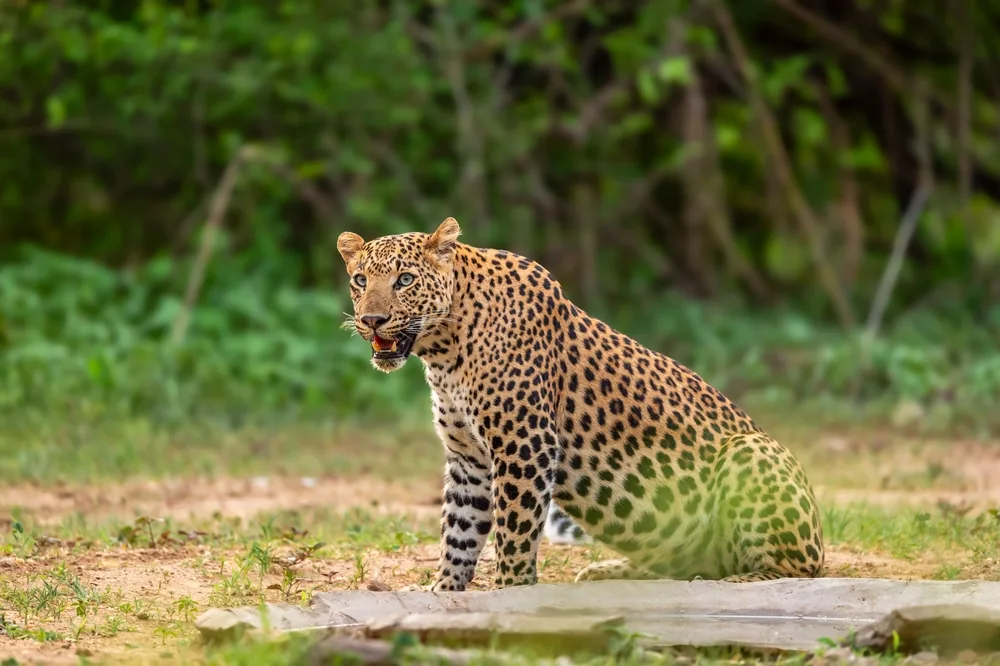
Leopards and jungle cats share Sariska's forested slopes, staying largely nocturnal and forest-bound, making them considerably harder sightings than the reserve's tigers.
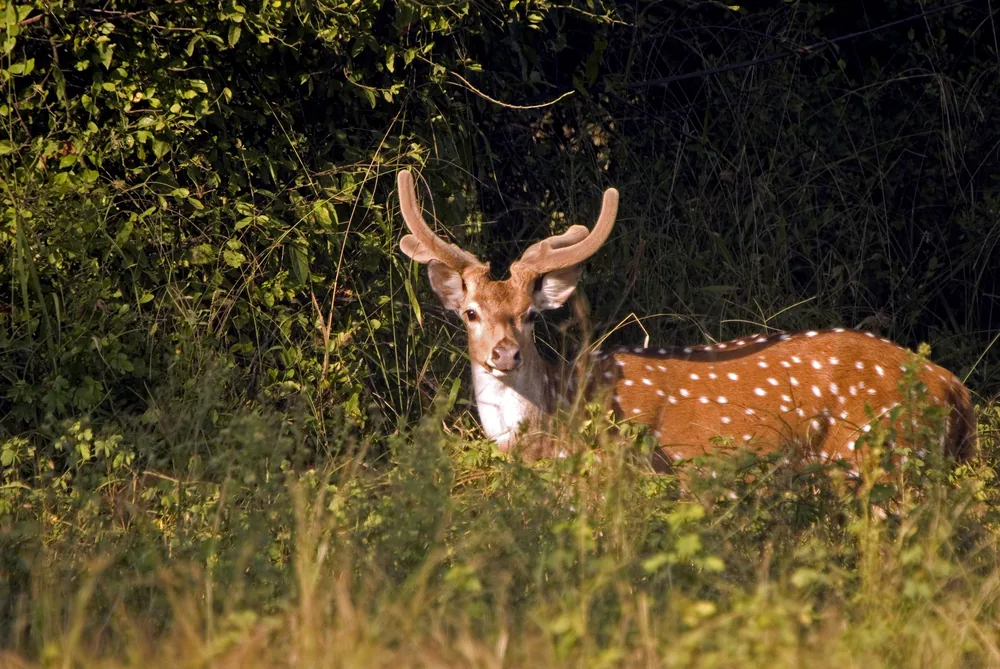
Sambar, chital and nilgai anchor the park's prey base, grazing valley grassland and forest edges that have sustained wildlife here for generations.
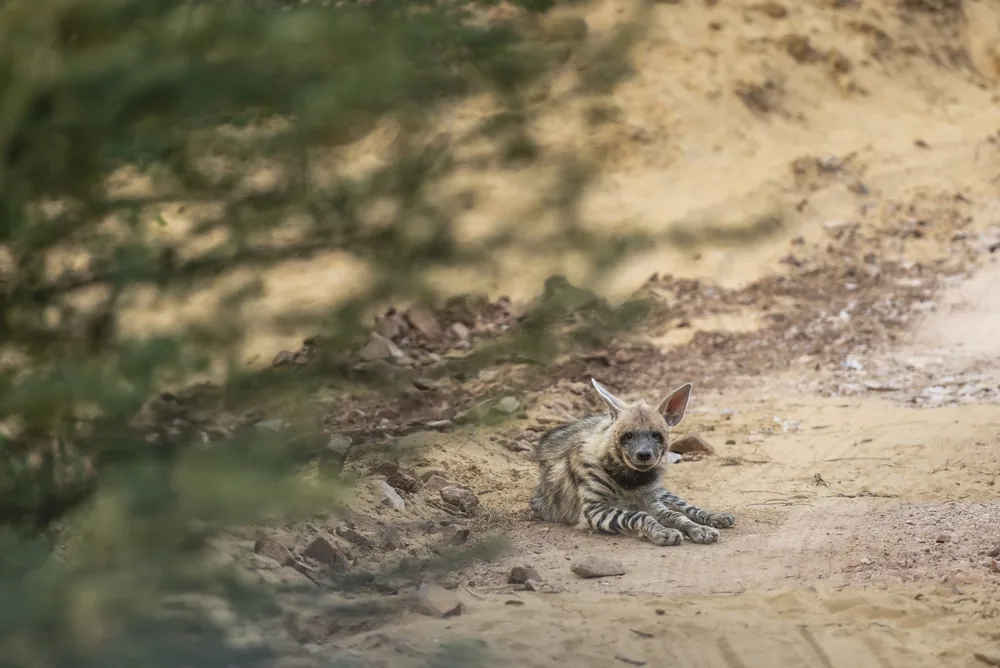
Striped hyenas and golden jackals round out the carnivore guild, while monitor lizards, cobras and pythons inhabit the park's rocky terrain and forest floor.
A reserve whose big cat story is defined by recovery as much as diversity.
A carnivore community rebuilt alongside the reserve's tigers.
The grazing base that has sustained the park through its conservation recovery.
A rewarding Aravalli birdwatching stop alongside its tiger reputation.
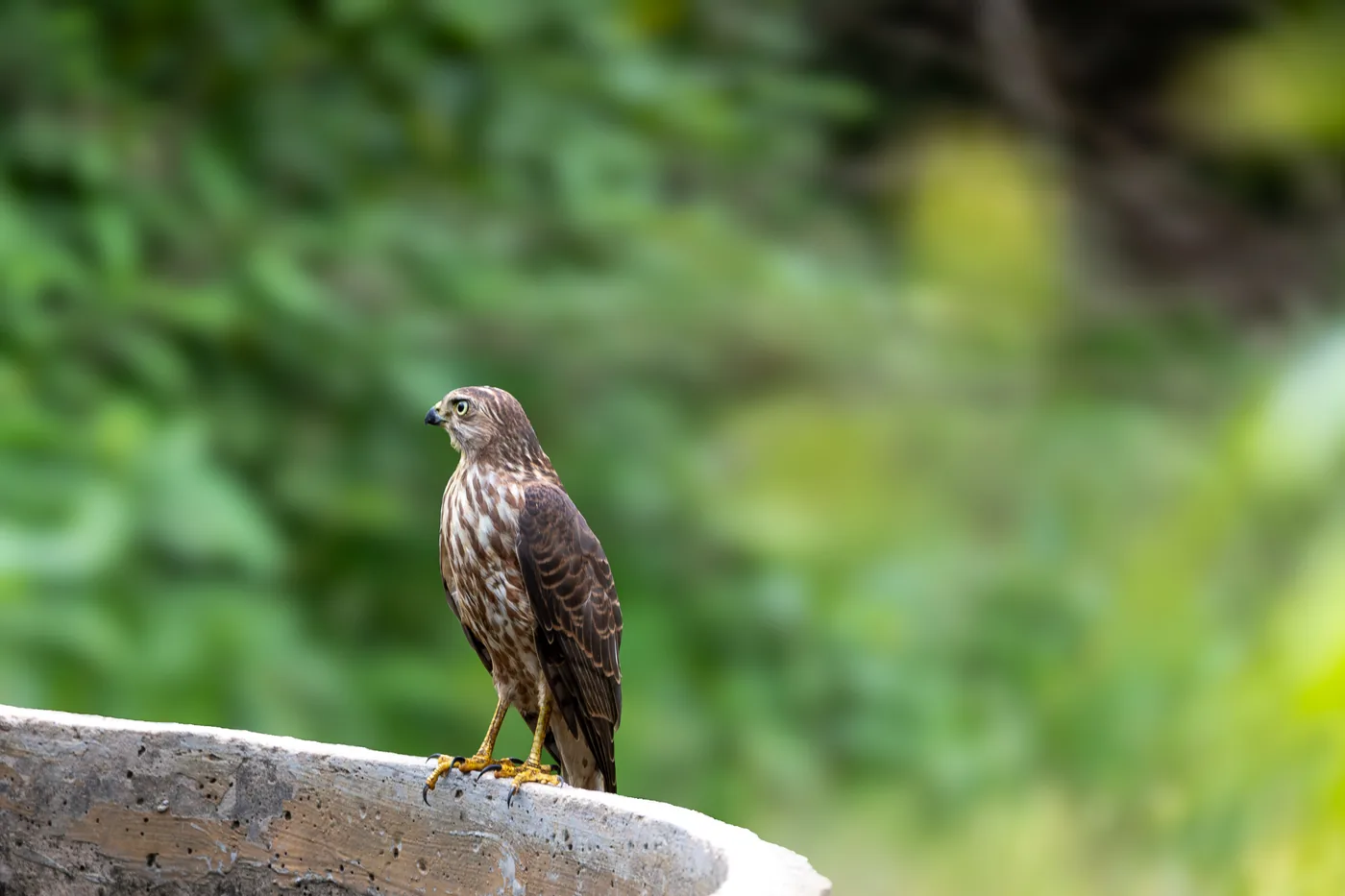
Sariska's forested valleys, rocky hillsides and scattered water points support a strong resident bird population, with the reserve's Aravalli setting adding species not always found in India's other tiger reserves. Raptors patrol the open hill terrain while woodland species fill the denser forest, making Sariska a genuine draw for birdwatchers visiting the region.
Home to over 250 bird species recorded across its forests, hills and temple grounds.
The Bengal tiger is Sariska's most famous resident, known for the reserve's landmark tiger relocation programme, alongside leopards, hyenas and large herds of sambar and chital.
The Bengal tiger is the park's flagship species, and Sariska is globally recognised as the site of the world's first successful wild tiger relocation.
Sariska is home to more than 30 species of mammals, including tigers, leopards, hyenas, jackals and several deer and antelope species.
The core zones around Kalighati and Pandupol hold the most established tiger territories and generally offer the strongest sighting odds.
Over 250 bird species have been recorded in the park, including crested serpent eagles, grey partridges and Bonelli's eagles.
Yes — monitor lizards, cobras and Indian rock pythons are regularly seen across the park's rocky terrain and forest floor.
October to June offers the best wildlife viewing, with the dry summer months pushing animals toward waterholes for even stronger sighting chances.
Yes — its Aravalli hill habitat makes it a strong birdwatching destination alongside its reputation for tiger safaris.
The caracal has occasionally been reported in Sariska's drier terrain, though sightings remain rare due to its nocturnal, secretive nature.
Sariska is globally recognised for hosting the world's first successful wild tiger relocation, making it a landmark case study in tiger reintroduction and habitat recovery.
Sariska's ecosystem sits within the Aravalli hill range, a landscape of dry deciduous forest, rocky ridgelines and grassy valleys dotted with ancient temples and the ruins of Kankwari Fort. This terrain supports mammals, birds, reptiles and amphibians across a reserve whose wildlife story is defined as much by recovery as by natural continuity. Following the disappearance of its original tiger population in the early 2000s, Sariska became the focus of a landmark reintroduction programme, with tigers translocated from Ranthambore beginning in 2008 to rebuild the reserve's predator base from the ground up. Leopards, hyenas and jackals fill supporting carnivore roles, while sambar, chital and nilgai sustain the food chain much as they do across Rajasthan's other reserves. Wildlife movement shifts seasonally, concentrating around water points through the dry months and dispersing into denser forest after the monsoon. Sariska's management by the Rajasthan Forest Department combines anti-poaching measures, village relocation efforts and regular habitat monitoring to give its recovering wildlife population room to establish stable territories. For visitors, this delivers a safari experience with a distinctive character — tracking tigers through Aravalli valleys alongside centuries of human history, with fewer vehicles and a quieter atmosphere than India's more heavily visited parks.
Beyond Sariska's tigers, the reserve's forested slopes and rocky terrain support a quieter population of smaller wild cats. Leopards persist in the park's hillier, less-monitored zones, staying largely nocturnal to avoid direct competition with the reserve's recovering tiger population. Jungle cats hunt through grassland and forest edges after dark, while the caracal, though rarely confirmed, has occasionally been reported in the park's drier terrain. These species matter ecologically as mid-level predators, helping control rodent and small mammal populations across the reserve. Their secretive habits and Sariska's rugged terrain make them considerably harder sightings than the park's tigers, rewarding patient, repeat visitors.
Sariska's herbivore community forms the foundation that has supported its tiger reintroduction programme. Sambar favour forest edges and water sources, often the first to raise alarm calls at a predator's approach, while chital move through valley grassland in sizeable herds. Nilgai and the four-horned antelope occupy drier, scrubbier terrain across the park's hillsides. Wild boar forage through forest litter, aiding seed dispersal and soil turnover. Populations shift seasonally, concentrating around water points during the dry months. Beyond sustaining the reserve's rebuilt predator population, these herbivores shape vegetation structure through grazing, and their steady numbers were a key factor supporting the success of Sariska's tiger relocation.
Sariska's carnivore guild beyond the tiger includes leopards, striped hyenas and golden jackals, each occupying a role shaped by the reserve's recovering ecosystem. Hyenas and jackals scavenge widely while also hunting smaller prey, helping clear carcasses across the park's valleys. Leopards remain the most direct competitor to tigers for territory, generally confined to the reserve's rockier, less-monitored fringes. This layered predator structure, still stabilising since the reintroduction programme began, reflects a carnivore community that conservationists continue to study closely as Sariska's tiger population grows.
Sariska's rocky hillsides, forest floor and scattered water points support a healthy reptile population that complements the park's mammal and bird diversity. Monitor lizards move between rocky outcrops and forest edges, while Indian rock pythons shelter in crevices near water sources. Cobras and various vipers inhabit the park's drier scrub zones, playing an important role in rodent control. Turtles are present in the reserve's smaller water bodies in limited numbers. Collectively, these reptiles help regulate prey populations at a finer scale and reflect the broader habitat recovery that has taken place across Sariska since its tiger reintroduction began.
Fauna in Sariska is the mainstream attraction of tourists. Sariska National Park has unique fauna which attract travelers who are interested in wildlife from each part of the world.
Sariska is well known for its diverse fauna, which attracts visitors from each part of the world. The dominant and desired mammal in the Sariska National Park is the beautiful Tiger, which also serves as the area’s top predator and is at the top of the food chain in the Sariska forest.
Other big cats found in the Sariska National Park include the leopard, desert cat, caracal, fishing cat, jungle cat, and rusty-spotted cat which is the smallest cat in the entire world. But, the Royal Bengal Tiger are the rulers of the area.
Some other large animals like the jackal, striped hyena, desert fox, palm civet, crocodile, common mongoose, python, and many others are also found in the forest. These places are home to a wide variety of other herbivorous creatures, including the Sambhar deer, the spotted deer (chital), the four-horned antelope (Chosinga), and the bluebull (Nilgai).
Almost 300 species of native and migratory birds are found in Sariska. The area is alive with birds like peacocks, gray partridges, sandgrouses, quails, kingfishers, horned owls, woodpeckers, crested serpent eagles, vultures, white-breasted kingfishers, Indian eagle owls, and many more. The Wildlife Sanctuary’s biodiversity also includes monitor lizards, other types of reptiles, and snakes.
Whether it’s the sight of a majestic tiger on a kill, giant crocodiles lazing around a lake, or lovely spotted deer walking in a grassy field, all these scenes will provide your mind and heart with an unforgettable experience.